Project Guide
A Practical Guide to Buying Tiles for a Building Project in Nigeria

Buying tiles for a building project is a procurement exercise as much as a design one. Quantities have to be right, supply has to arrive when the tilers do, and what is delivered in phase two has to match phase one. This guide sets out the practical steps for homeowners, builders, developers, contractors and anyone managing a project from abroad.
Understanding the project requirements
Begin with a simple written brief: the type of building, the areas to be tiled, the standard of finish expected, the programme and the location of the site. Where a project is being built for sale or rent, the finish standard is a commercial decision as well as an aesthetic one.
Choosing the appropriate tile type
Match the tile to each area — floors, walls, wet areas, stairs, balconies and external walkways all behave differently. Our guides on choosing the right porcelain tiles and on porcelain versus ceramic cover that selection in detail.
Selecting size and finish
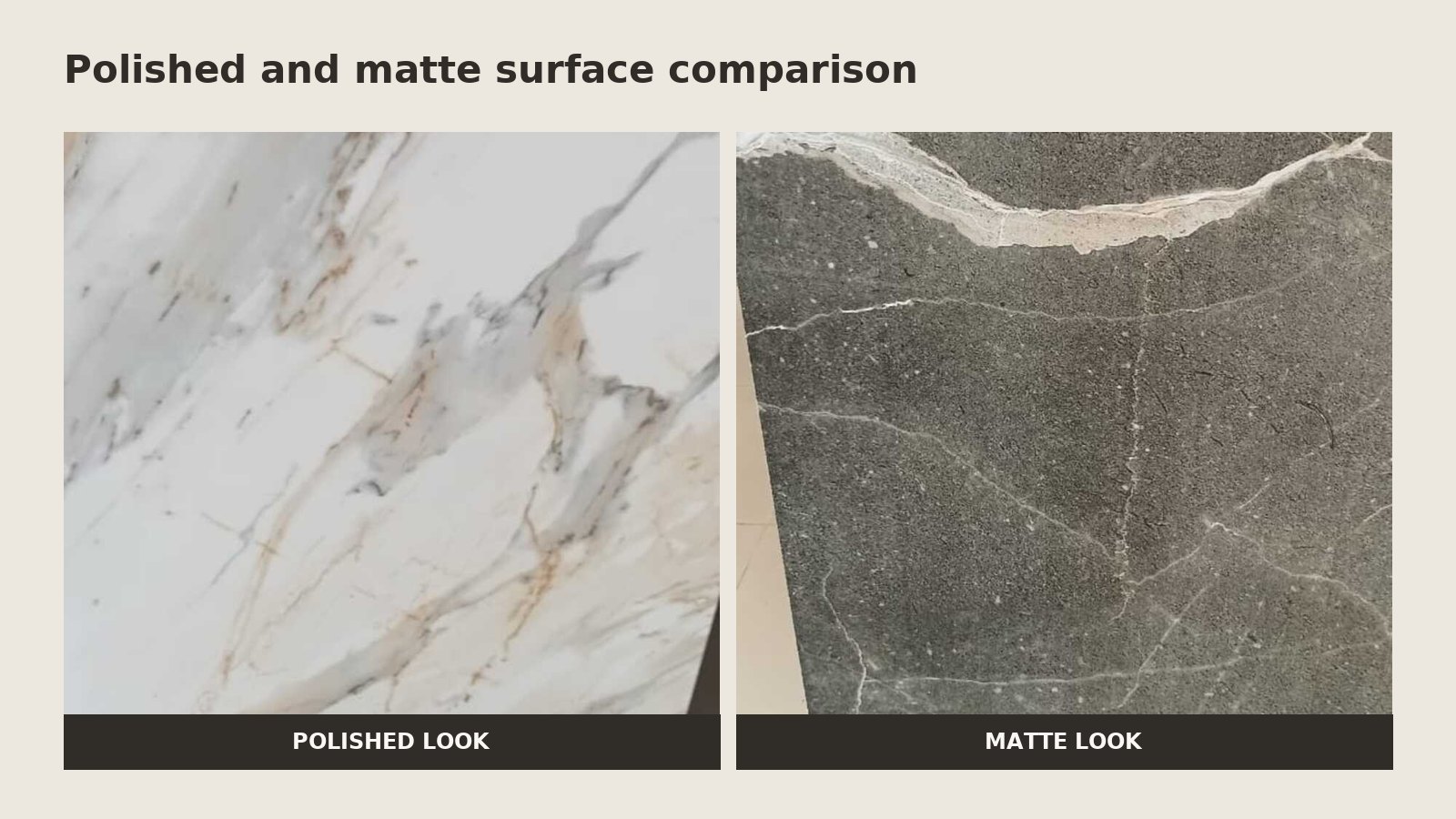
Fix sizes and finishes early, because they affect quantities, cutting, labour and the look of every room. Larger formats need level substrates and skilled installers; matte and textured finishes are usually preferred where grip and easy maintenance matter. Decide these per area, then keep a written schedule of what goes where.
Estimating required quantity
Take measurements room by room and record the area in square metres against each selected tile. A schedule by area is far easier to check, quote and deliver against than a single lump-sum figure, and it makes phased ordering possible later.
Allowing for cuts and wastage
Add a margin above the measured area for cuts, breakages and offcuts around doorways, columns and fittings. Diagonal layouts, patterned setting and rooms with many corners generate more waste. It is also sensible to keep a small quantity in reserve for repairs after handover.
Maintaining consistency across orders
Because tiles are produced in batches, shade and pattern can vary slightly between production runs. For any continuous area, secure the whole quantity in one order. If the project must be phased, say so at the enquiry stage so the requirement can be planned rather than discovered late.
Planning bulk purchases
For larger projects, bulk purchasing simplifies matching, reduces repeat trips and gives you a single clear schedule to work from. It does require storage: a dry, secure area on site, tiles kept on pallets and away from traffic, and someone responsible for checking deliveries against the schedule.
Coordinating tile supply with construction
Tiling sits between blockwork, plastering, screeding, plumbing and electrical work. Confirm your selections before the tiling window opens, and align delivery with the point at which surfaces are ready. Late selection is one of the most common causes of delay on Nigerian sites, and rushed selection usually means compromise.
Questions to ask a tile supplier
- Is this product suitable for the areas I have listed?
- What sizes and finishes are available, and what is currently in stock?
- Can the full quantity be supplied in one batch?
- How should I handle top-up orders and batch variation?
- Can I see physical samples or a mockup before confirming?
- What is the lead time, and how does delivery to my site work?
- What care and cleaning does the surface require after installation?
Information to provide when requesting recommendations
- The type of project and its stage of construction.
- A list of the areas to be tiled — floors, walls, wet areas, external areas.
- Measurements in square metres per area, if available.
- The look you have in mind: marble, wood, concrete, stone or plain tones.
- Any size or finish preferences, and the project location.
- Your programme — when the tilers are due on site.
- Your budget range per area, where you have one.
With that information, a supplier can give you relevant options instead of generic suggestions. You can send it to us directly through Request a Quote or browse the product range first.
Considerations for developers and contractors
On multi-unit and commercial work, repeatability matters: a small, well-chosen palette of tiles across units is easier to buy, install, match and maintain than a different scheme in every apartment. Keep a written finishes schedule, plan phased releases in advance and confirm quantities before each phase. We work with builders and developers and with architects and interior designers on exactly this kind of coordination.
Managing a project from abroad
If you are managing construction in Nigeria from another country, agree the finishes schedule in writing, ask for images of the actual products under consideration, have someone you trust verify measurements on site, and keep one point of contact for tile supply. Our page for diaspora projects explains how we support this.
Better planning makes procurement simpler
Most tile problems on site are planning problems: quantities estimated too late, selections changed after delivery, or a top-up order that does not match. A written schedule by area, realistic wastage allowances and one clear supply conversation remove most of that risk.
Planning tile supply for a project?
Send your schedule, measurements and project location on WhatsApp and our team will review it with you, or request a quote.
Need help choosing the right tiles for your project?
Tell us what you're working on, what you need and where your project is located. Our team can help you explore suitable tile options for your project.