Design Inspiration
How to Choose the Right Tiles for Your Living Room

Quick answer
The right living room tile should balance appearance, room size, lighting, traffic, maintenance and budget. Do not choose a tile simply because it looks good in a showroom.
Start by deciding the atmosphere you want, then choose a suitable colour, pattern, format and finish. Finally, confirm that the product is appropriate for the intended application and that the installation requirements fit the project.
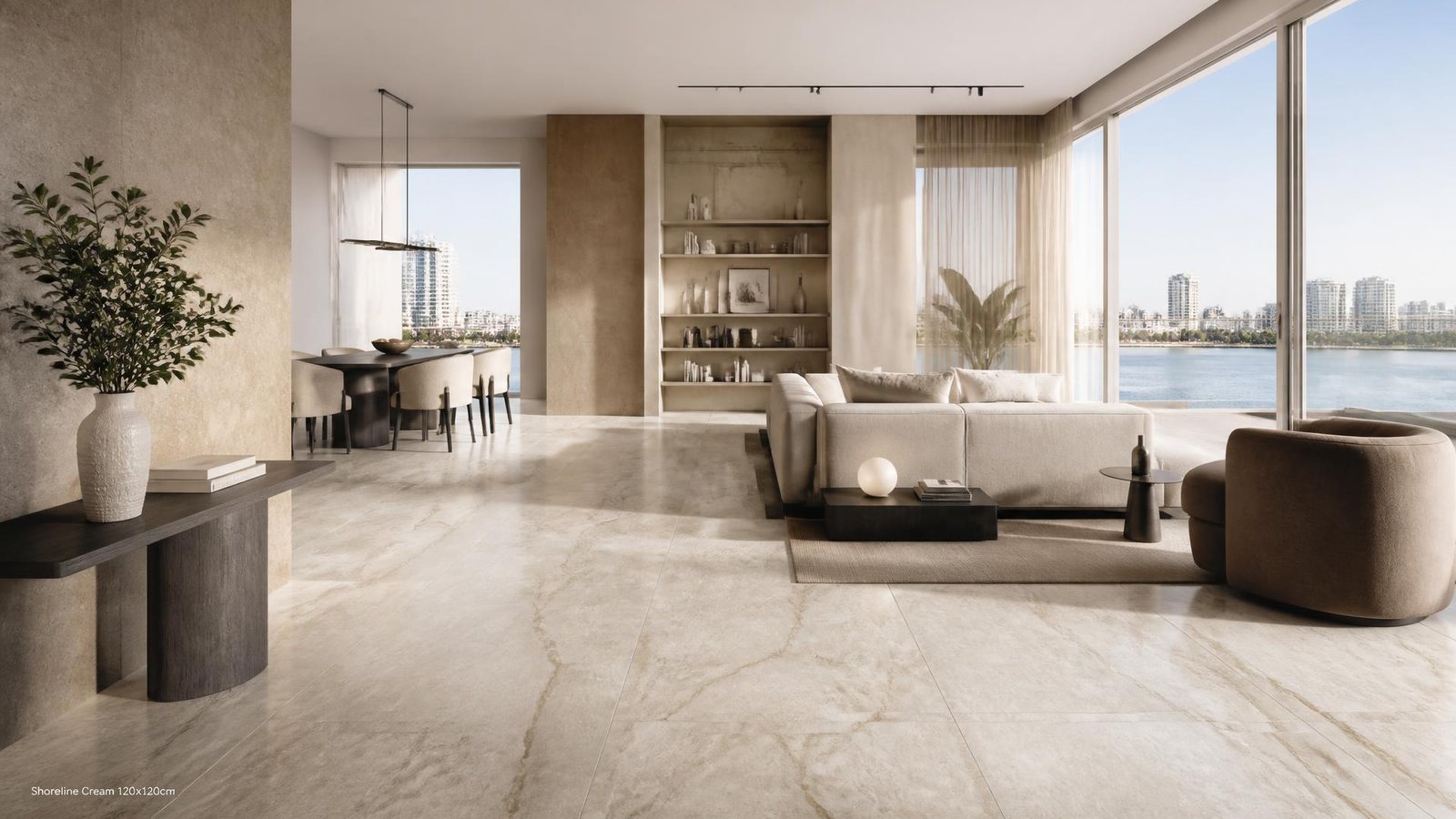
For a modern Nigerian home, porcelain tiles can offer a wide range of styles, including marble-look, wood-look, concrete-look, and plain surfaces.
1. Start with the feeling you want
Your living room is usually one of the first spaces people see, so the floor can influence the entire room.
Before choosing a tile, ask:
Do I want the room to feel warm or cool?
Should the floor be a quiet background or a design feature?
Is the room minimalist, traditional, contemporary or eclectic?
Will the furniture already provide strong colours and patterns?
How much natural light does the room receive?
If your furniture, curtains and artwork already make a strong statement, a quieter tile may create better balance.
If the room is relatively simple, a marble-look, patterned or textured tile can become one of its main visual features.
2. Think about room size
Tile size can change how a room feels.
Large-format tiles can create a cleaner visual field because there are fewer grout lines. Smaller tiles can create more pattern and definition.
This does not mean a small living room must use small tiles.
A 600×1200 mm format, for example, can work beautifully in a larger or open-plan space when the layout and installation are properly planned. A 600×600 mm tile can also be a versatile option for many rooms.
The important thing is to look at the actual room dimensions, door positions, columns, furniture arrangement and likely cut locations.
3. Choose the colour carefully
Colour is one of the easiest ways to change the mood of a room.
Light neutrals
Cream, ivory, light beige and soft grey tones can create an open and understated appearance.
They can also work well when you want furniture, artwork or other architectural features to stand out.
Darker tones
Dark grey, charcoal and deeper stone-inspired colours can create a more dramatic look.
They can work particularly well in contemporary interiors, but you should consider the room's lighting and the amount of visible dust or marks in everyday use.
Natural tones
Wood and stone-inspired tiles can introduce a warmer, more organic character without requiring natural wood or stone flooring.

4. Decide whether the floor should be a feature
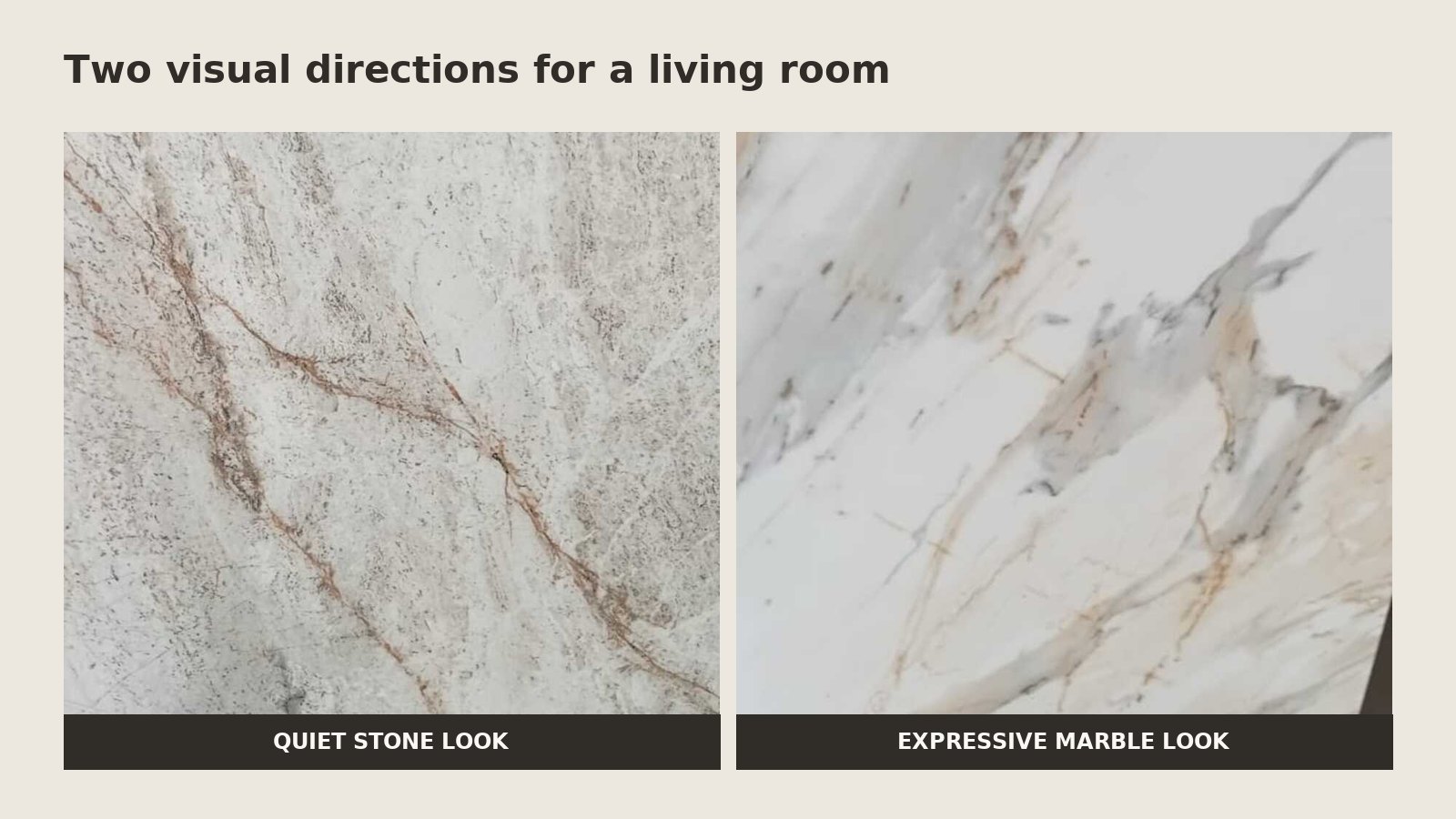
There are two common approaches.
Quiet floor, expressive room
Choose a relatively restrained tile and let the furniture, lighting, artwork or wall treatment carry the design.
This can make future changes easier because the floor does not compete with different décor choices.
Expressive floor, restrained room
Use a distinctive marble, stone or patterned tile as a major design element.
This can create a strong finished look, particularly in larger living rooms and open-plan spaces.
Neither approach is universally better. It depends on the rest of the room.
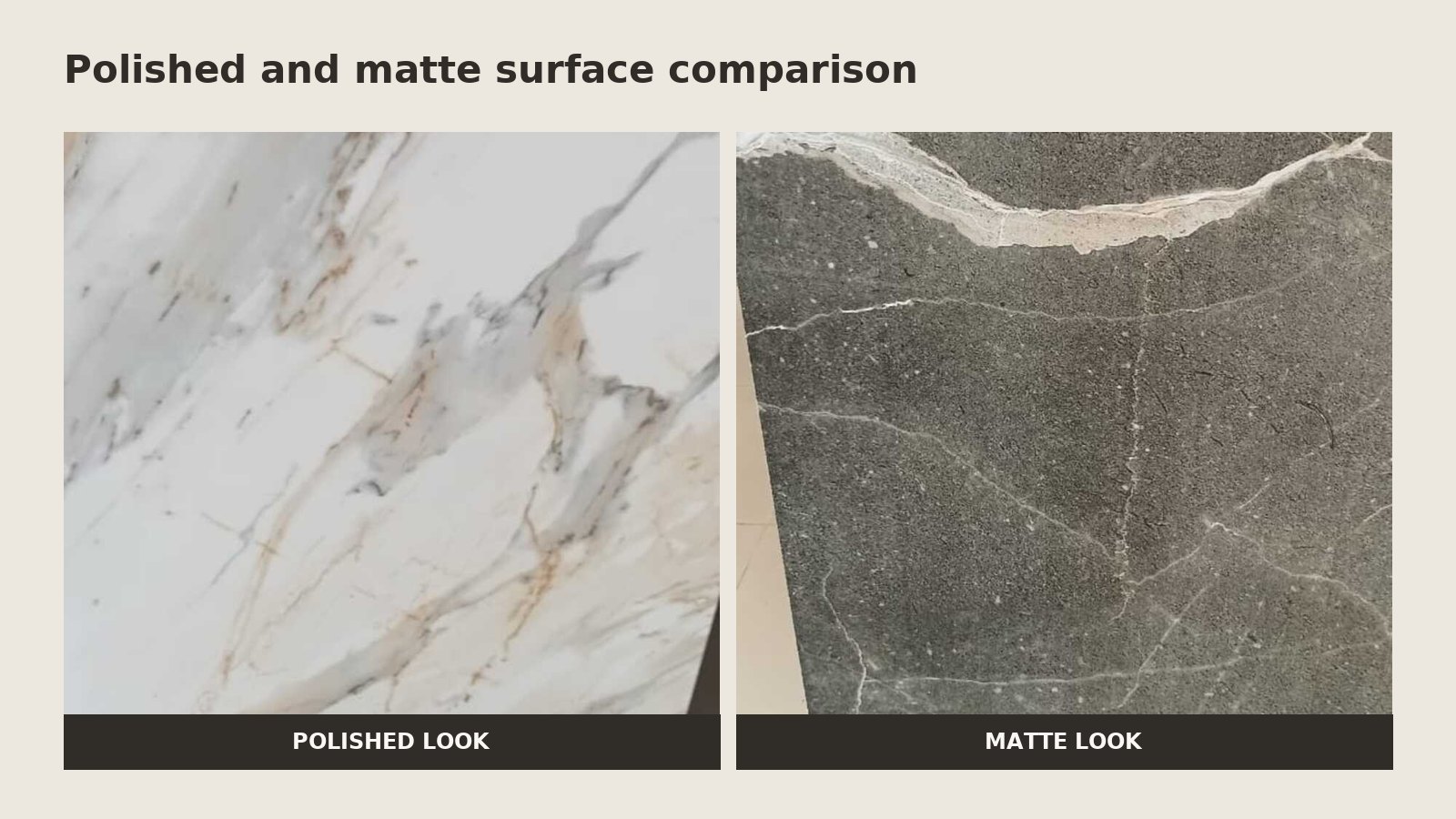
5. Understand polished and matte finishes
Finish changes both appearance and how the surface behaves visually.
Polished surfaces can reflect light and create a more pronounced, refined appearance. Matte surfaces generally have a softer visual effect and can work well when you want a more understated or natural look.
Do not assume that a finish is automatically suitable for every location. Always check the manufacturer's product information and application recommendations.
Continue with our polished vs matte tiles guide.
6. Consider cleaning and everyday use
A living room may experience dust, food spills, muddy footwear, children, pets and frequent movement.
Think about how much maintenance you are realistically willing to do.
A tile may look beautiful in a staged photograph, but the practical question is whether you will be comfortable maintaining it in your actual home.
Ask about:
Recommended cleaning products
Grout maintenance
Surface characteristics
Whether the finish highlights marks
Recommended installation and maintenance methods
7. Think about the rest of the house
A common mistake is selecting the living room tile in isolation.
Look at the spaces that connect to it.
If the living room opens directly into a dining area, kitchen or hallway, ask whether the tiles should coordinate or continue through those spaces.
Open-plan homes can benefit from visual continuity, while defined rooms may provide more freedom to use different tile styles.
8. Don't forget the walls
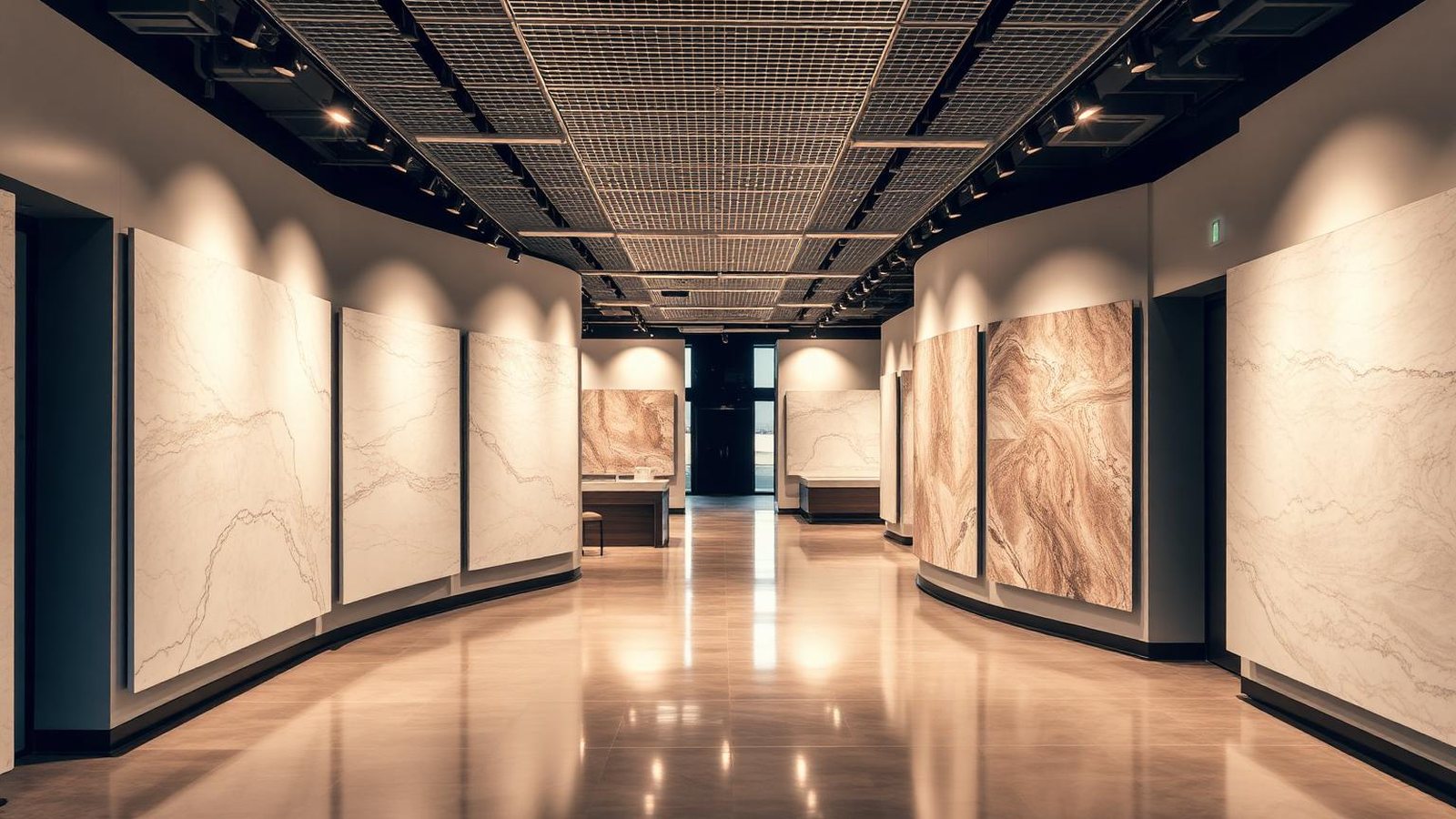
Floor and wall tiles do not always have to match.
A marble-look floor can be paired with a simple wall. A plain floor can support a more expressive feature wall.
Glizers' Décor and Multi Pattern collections can also be considered when a project calls for decorative surfaces rather than a completely uniform finish.
A simple living room tile checklist
Before you buy, check:
Room dimensions
Natural and artificial lighting
Furniture colours
Tile size
Tile finish
Expected traffic
Cleaning requirements
Installation method
Quantity required
Availability of the chosen product
Whether the tile is suitable for the intended application
Frequently asked questions
What colour tile is best for a living room?
There is no single best colour. Light neutrals can create a bright, understated look, while darker and natural tones can create more depth. Choose based on your room, lighting and overall interior design.
Are large tiles good for living rooms?
They can be. Large formats can reduce the number of grout lines and create a more continuous visual effect. The room layout and installation quality still matter.
Should living room floor tiles be polished or matte?
Either can work. The choice should depend on the look you want, the practical requirements of the space and the product's specifications.
What tile size should I use for my living room?
Common formats include 600×600 mm and 600×1200 mm, among others. The best format depends on room dimensions, layout, design preference and installation planning.
Final thoughts
Choosing living room tiles is really an exercise in balancing design and practicality.
Look beyond the showroom sample. Consider the whole room, the lighting, your furniture, the amount of use, and how you want the space to feel five years from now.
CTA: Still deciding between formats, finishes or collections? Share your room measurements and project details with us on WhatsApp, and we'll recommend tiles that fit your space and budget. Prefer a formal estimate? Request a quote instead.
Need help choosing the right tiles for your project?
Tell us what you're working on, what you need and where your project is located. Our team can help you explore suitable tile options for your project.