Tile Guide
A Practical Guide to Tile Sizes: 60×60, 60×120 and More

Quick answer
Tile size affects appearance, grout lines, installation, cutting and how a room is visually divided.
Glizers currently offers several formats, including 300×600 mm, 400×800 mm, 600×600 mm, 600×900 mm, 600×1200 mm and 300×1200 mm across different collections.
The right size depends on the room dimensions, layout, design direction, installation requirements and the specific collection you choose.
What does 600×600 mm mean?
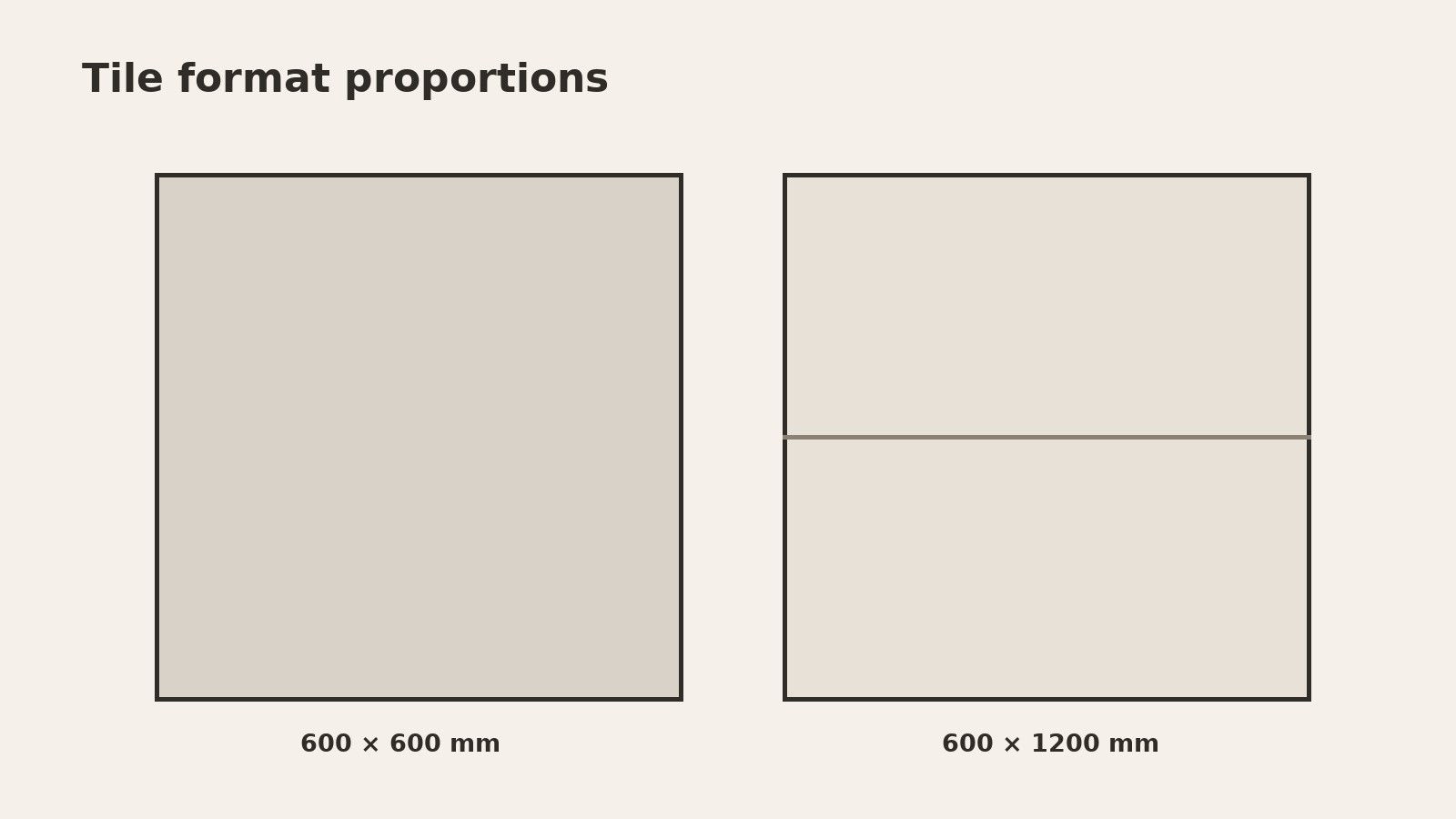
A 600×600 mm tile measures 60 cm by 60 cm.
Its area is:
0.6 × 0.6 = 0.36 m²
This is a versatile format that can work across many residential interiors, depending on the product and application.
What does 600×1200 mm mean?
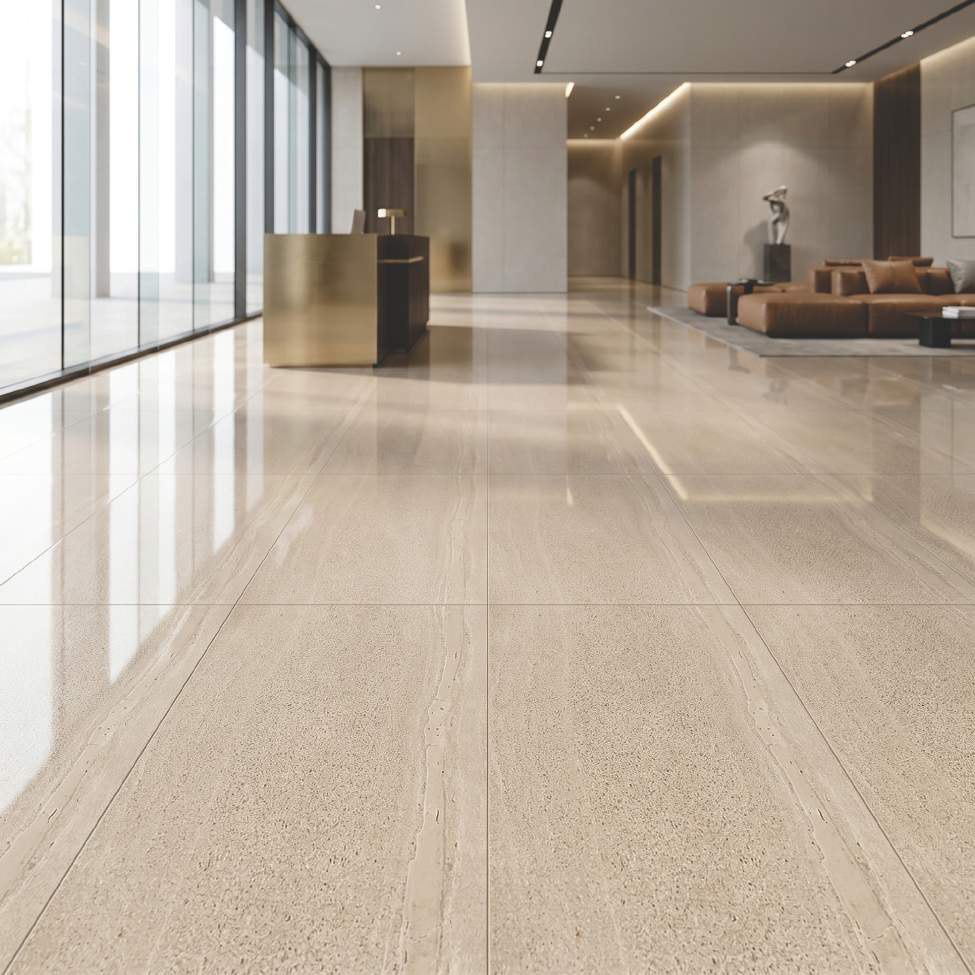
A 600×1200 mm tile measures 60 cm by 120 cm.
Its area is:
0.6 × 1.2 = 0.72 m²
That is twice the surface coverage of a 600×600 mm tile.
Because it covers more area per piece, the format can create a more continuous visual appearance with fewer grout lines.
Other common Glizers formats
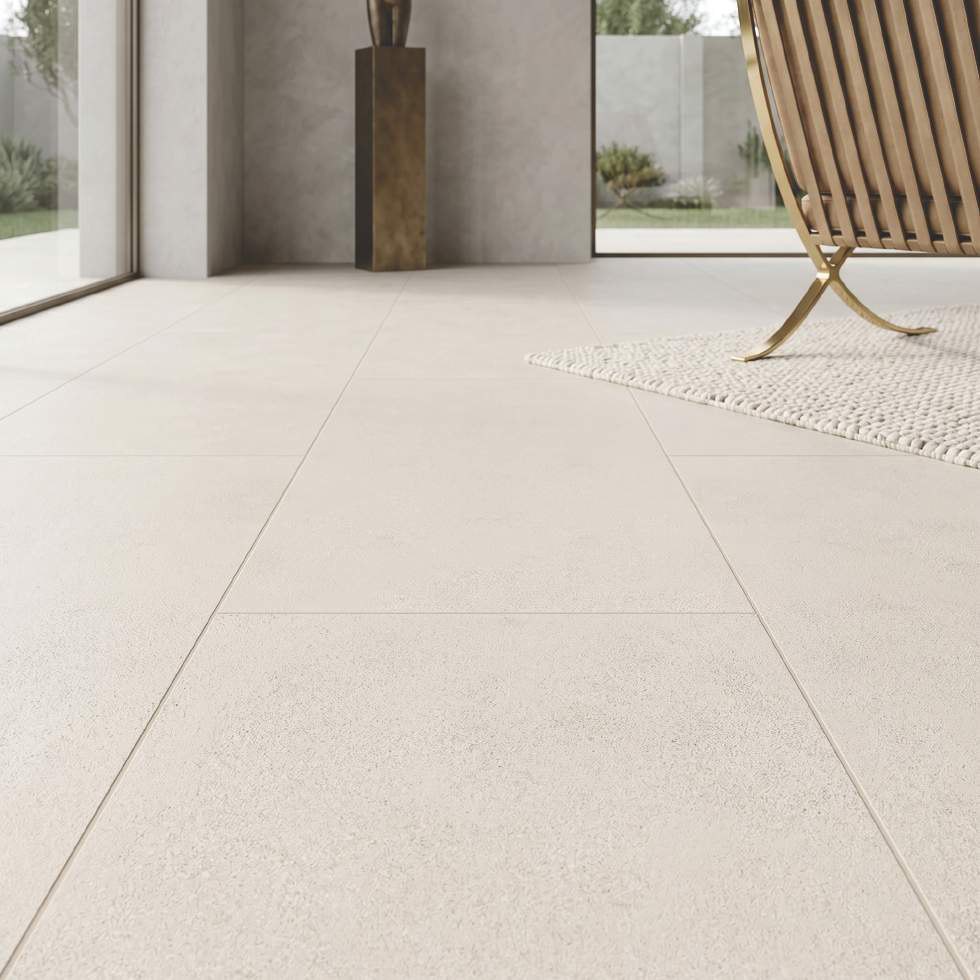
The current Glizers catalogue includes a range of formats, depending on the collection.
300×600 mm
A 30 cm by 60 cm rectangular format. This can provide more directional options than a square tile.
400×800 mm
A 40 cm by 80 cm rectangular format available in selected collections.
600×900 mm
A 60 cm by 90 cm format available in selected collections.
300×1200 mm
A long rectangular format that can create strong directional movement, particularly when the installation pattern is planned around it.
Not every format is available in every finish or collection, so always check the current product catalogue.
Does bigger tile mean a bigger-looking room?
Not automatically.
Large-format tiles can create fewer grout lines, which may make a space feel more continuous. But the effect also depends on:
Tile colour
Grout colour
Room dimensions
Lighting
Furniture
Installation pattern
Visual movement in the tile
A large tile can still look busy if its pattern is very expressive.
How tile size affects installation
Larger tiles require careful planning.
The installer needs to consider:
Substrate preparation
Flatness
Handling
Cutting
Adhesive coverage
Tile alignment
Joint layout
Movement considerations
The manufacturer's installation guidance
Do not assume that buying a larger tile simply means buying fewer pieces and having an easier installation.
How to choose tile size for different spaces
Living rooms
600×600 mm and 600×1200 mm can both be considered, depending on the room and design.
Bedrooms
The choice can depend heavily on the desired style. Wood-look formats can introduce a more directional visual effect.
Bathrooms
Smaller or rectangular formats may sometimes make layout planning easier around fixtures, but the product's suitability and installation requirements matter more than size alone.
Large open-plan spaces
Larger formats can work particularly well when the project calls for a continuous, uncluttered appearance.
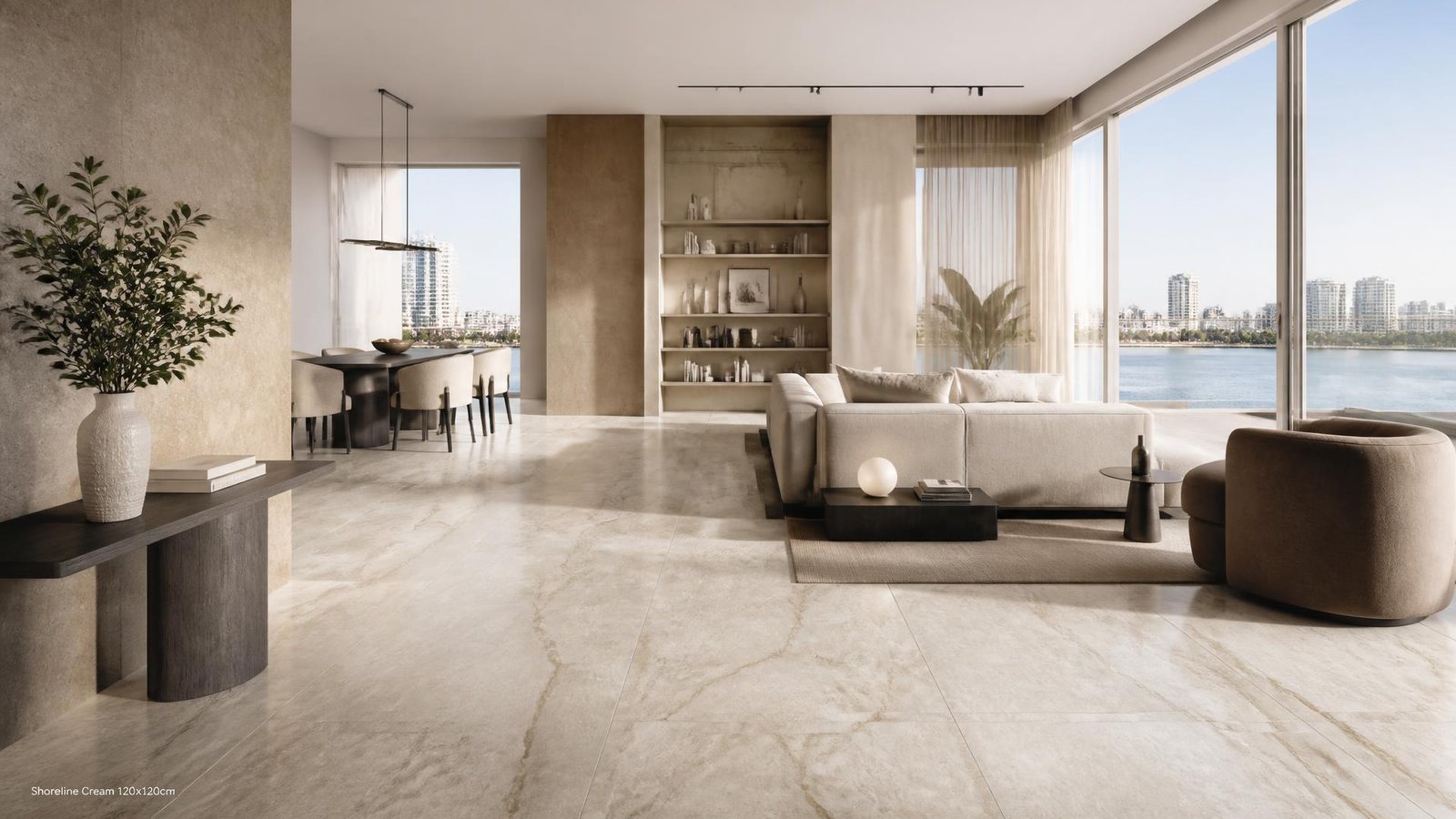
What happens when a tile is too large for a room?
Large tiles do not always become impractical simply because a room is small.
The issue is the layout.
If the room dimensions result in many awkward cuts, the intended visual effect may be lost and material waste can increase.
That is why tile layout should be planned before installation.
Don't ignore grout
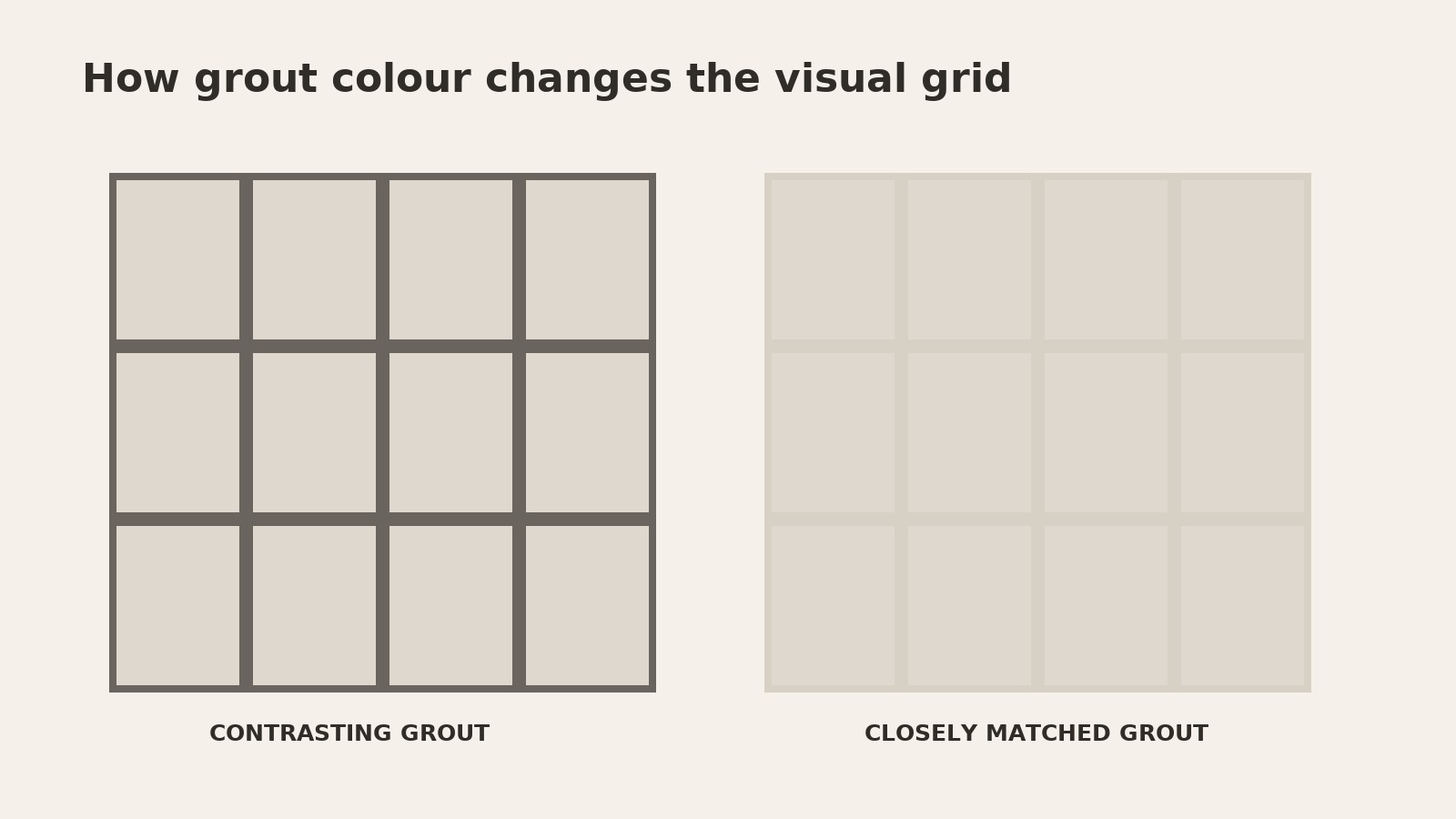
Tile size and grout colour work together.
A contrasting grout can make individual tiles more visible. A closely matched grout can create a more continuous appearance.
This is particularly noticeable with larger formats.
How tile size affects quantity
The larger the tile, the more area each piece covers.
For example:
| Tile size | Area per tile | Approx. tiles for 24 m² before allowance |
|---|---|---|
| 300×600 mm | 0.18 m² | 134 |
| 400×800 mm | 0.32 m² | 75 |
| 600×600 mm | 0.36 m² | 67 |
| 600×1200 mm | 0.72 m² | 34 |
The figures are rounded up and do not include an allowance for cuts or breakage.
How to choose the right size
Use this simple process:
Measure the room.
Check the available Glizers formats.
Consider the room's shape and obstacles.
Decide how much grout-line visibility you want.
Plan the tile layout.
Estimate waste.
Confirm the product is available in the quantity required.
Confirm installation requirements.
Frequently asked questions
Is 60×60 or 60×120 better?
Neither is universally better. 600×600 mm is a versatile square format, while 600×1200 mm offers a longer proportion and greater coverage per tile.
Are 60×120 tiles good for living rooms?
They can be. Their proportions can create a continuous, modern appearance, particularly in larger spaces.
Are larger tiles harder to install?
They can require more careful handling and substrate preparation. Installation should follow the manufacturer's recommendations and be done by an appropriately experienced installer.
Do large tiles reduce grout lines?
Yes, fewer larger tiles generally mean fewer grout lines across the same area, although the final number depends on the layout and joint specification.
Final thoughts
Tile size is both a design and installation decision.
Before choosing a format because it looks good online or in a showroom, check how it will work with the actual room dimensions, layout and installation conditions.
CTA: Tell us about your project via WhatsApp — measurements, location and what you're planning — and we'll help you choose. Or request a quote in minutes.
Need help choosing the right tiles for your project?
Tell us what you're working on, what you need and where your project is located. Our team can help you explore suitable tile options for your project.